

Skip to content
TeamElGhazi
ENChange language
Make a request
TeamElGhazi in Jos: AI for the laboratories

TeamElGhazi in Jos: AI for the laboratories, heritage collections and students of the plateau

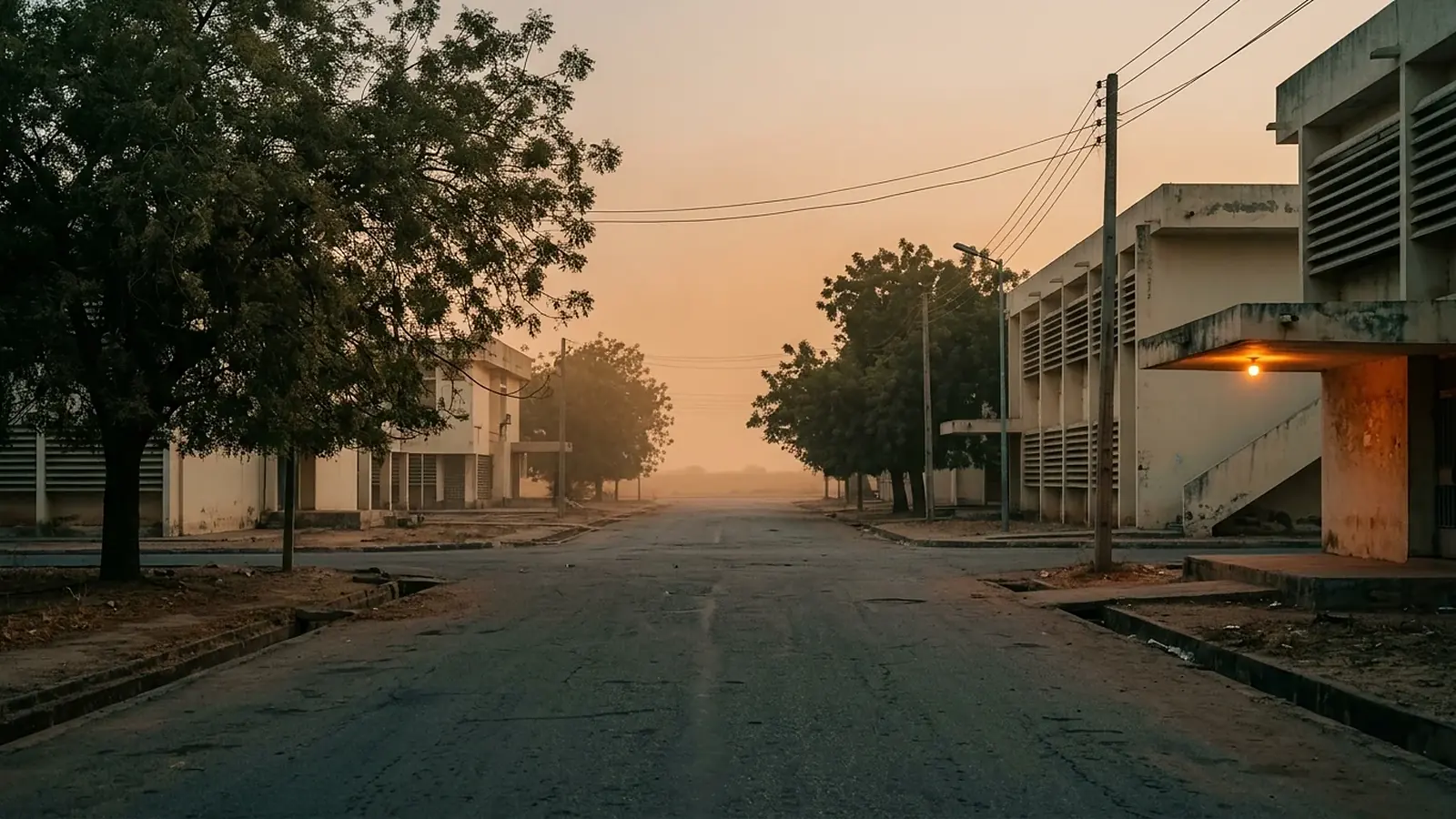
A cool plateau, a tin town turned university town. Its archives are still waiting to be sorted.

In briefThe capital of Plateau State, in central Nigeria, Jos can count on TeamElGhazi online or with our collaborators on the spot. Laboratories and research institutes, museums and galleries, hotels, schools, students and individuals entrust us with filing their documents with AI, online catalogues and training. The difference with Casablanca is one hour, with no seasonal variation.

Google4,8out of 5 · 11 Google reviews

In practice

City
Jos, capital of Plateau State, central Nigeria
Altitude
About 1,217 m, on the Jos Plateau
Climate
Cooler than the Nigerian average: monthly averages of 21 to 25 °C, nights of 7 °C possible in the dry season
History
Tin mining centre (cassiterite) in the colonial era; columbite until the 1960s
Education and culture
University of Jos (1975), Jos Museum (1952), wildlife park (1972)
Research
National Veterinary Research Institute, at Vom
Transport
Yakubu Gowon Airport; about 179 km from Abuja
Official language
English
Currency
Naira (NGN)
Time zone
UTC+1, no summer time
Time difference with Casablanca
Jos 1 hour ahead, all year round
Working languages
English, French; Hausa with a speaker; 100 languages for deliverables
Format
Online, or on site with our collaborators
Price
On quotation, in naira
On the ground

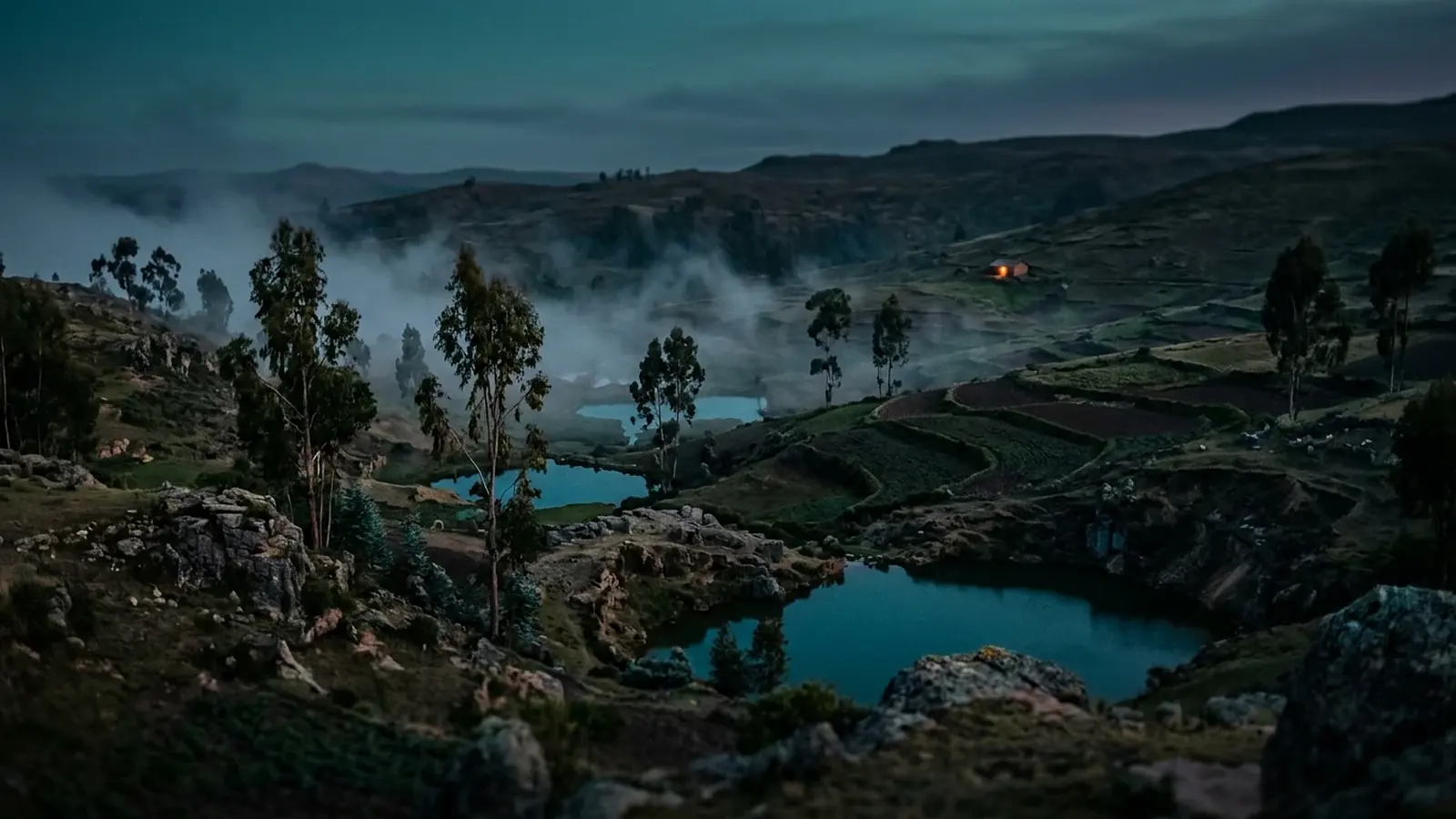
A capital perched at 1,200 metres

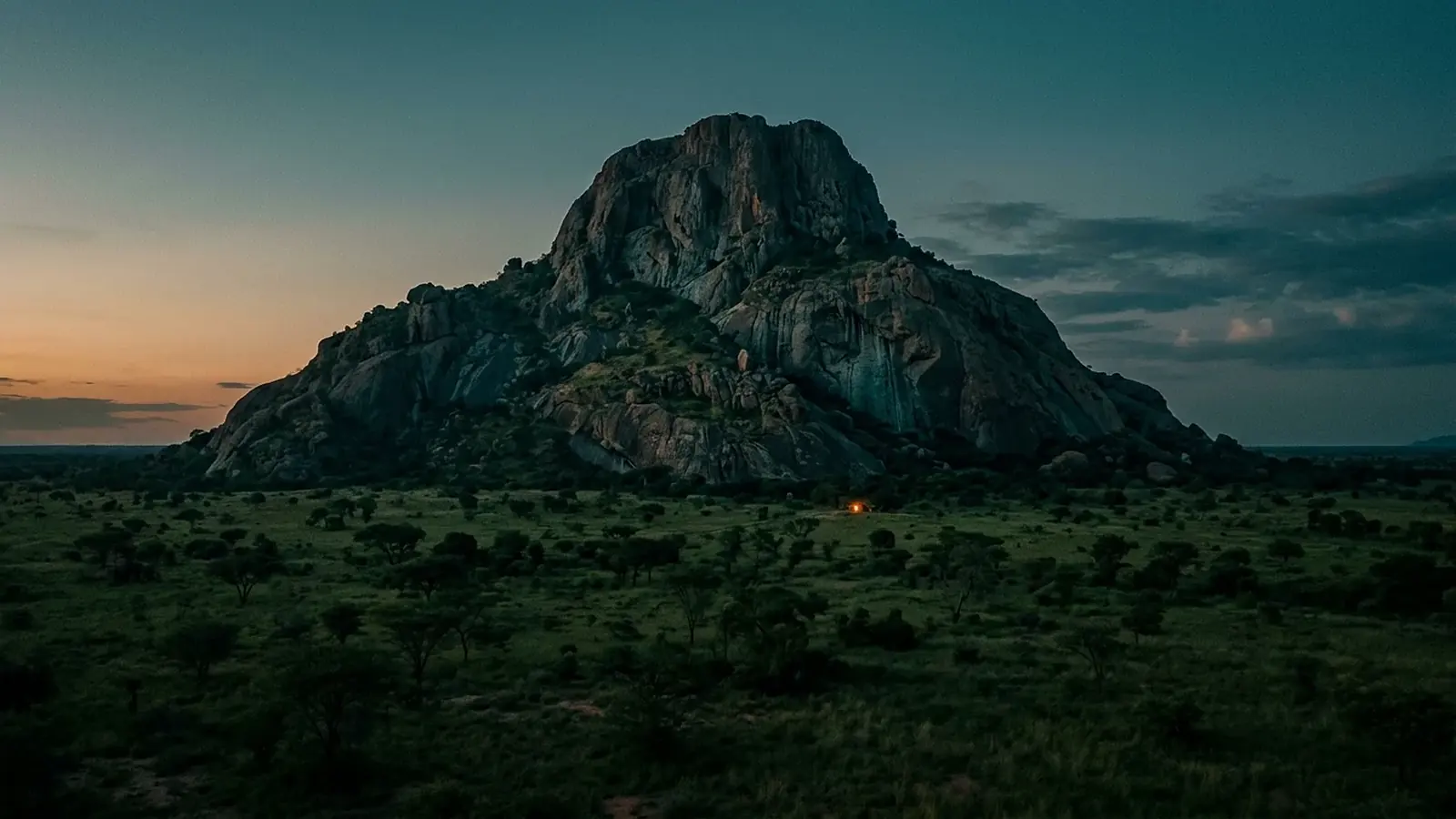
Jos stretches across the plateau of the same name, at about 1,217 m above sea level. This relief gives it a cooler climate than most Nigerian cities: monthly averages stay between 21 and 25 °C, and from mid-November to the end of January, nights can drop to 7 °C. Abuja is about 179 km away.

During the British colonial era, the discovery of large deposits of cassiterite, the ore of tin, made Jos a mining centre; columbite was also extracted there until the 1960s.

In detail

What we do in Jos

  1. 01Collection entries and inventories prepared by AI, approved by a curator
  2. 02Filing of analysis reports and sample registers for laboratories, in a tool reserved for the team
  3. 03Training in AI, Python and documentary research for University of Jos students, researchers, teachers and individuals
  4. 04Booking websites and multilingual pages for the plateau's hotels and guides
  5. 05Introductory AI workshops in the city's secondary schools
Good to know

University, museum, veterinary research

The University of Jos was founded in 1975; the Jos Museum, for its part, was created in 1952 by Bernard Fagg. The Jos Wildlife Park dates from 1972.

At Vom, not far from the city, is the National Veterinary Research Institute. Yakubu Gowon Airport serves the state capital. Research, teaching and heritage: three worlds that turn out records, reports and inventories in large numbers.

An example: putting a collection online, record by record

Imagine a gallery or a private collection in Jos that holds hundreds of objects described on paper records, some of them old, with black-and-white photos. Foreign researchers ask for a searchable catalogue in English, with the dimensions, provenance and condition of each piece.

We photograph or scan the records, the AI turns them into a structured entry (title, material, dimensions, provenance, remarks) and flags missing information. A curator approves each entry, then the catalogue is published online, with access rights chosen by the collection.

English, the naira and a one-hour difference with Morocco

English, Nigeria's official language, is the language of the university and government in Jos. We teach there in English; for Hausa or a local language, a speaker or a translator joins the project. Pricing is in naira, after a 30-minute discussion.

Jos follows West Africa Time, UTC+1, and Morocco stays on UTC+0 in every season. A class that starts at 16:00 in Jos begins at 15:00 in Casablanca: late afternoons suit students well after their classes.

Among our projects
For
Goethe-Institut Marokko
What was done
Introductory AI workshops, in Arabic, in a high school and a middle school in Al Haouz Province, designed with a pupil's booklet and a facilitator's guide
When
16 and 17/11/2026

Goethe-Institut Marokko: AI workshops in Al Haouz

No computer, no internet: a board, a booklet, and AI becomes clear.

Organisation
Goethe-Institut Marokko
Framework
Book Caravan 2026
The case study
The offers

What you can
follow here.

Each card leads to its fact sheet: duration, format, enrolment.
Products and publishing
Frequently asked questions

Your questions
about Jos.

4 answers

Can AI turn paper inventory records into an online catalogue?

Yes, it reads the scanned records and turns them into structured entries, flagging what is missing. A curator approves each entry before publication.

Can a laboratory find an old analysis report in a few seconds?

Yes, with a search tool installed for your team alone, which cites the source document. The data stays in your environment.

Can students of the University of Jos take your courses?

Yes, live and in English, with a final project to present. A TeamElGhazi certificate of training is issued when this project is approved.

Do you organise AI workshops in schools in Jos?

Yes, with our collaborators on site or by video call, and content adapted to the pupils' age. The programme is agreed with the school's management.

Your request

Your request
comes in here.

in 100 languages
01 · Make a request
Your request
You
At least one of the two: email or phone.
Sending

Your data is used only to reply to you (Law 09-08, GDPR). Privacy
02 · Meeting30 min

Individuals, institutions, companies: you choose your slot online. A first 30-minute conversation for a project, or your lesson hours.

Choose a slot
03 · A call, an e-mail06 60 66 59 52

Call us, or write to contact@teamelghazi.com

Service delivered in
  • 100 languages
From Casablanca: on site in Morocco, remotely everywhere.
Make a requestMeeting