TEMO: How We Built Our AI Tutor
The hardest part wasn't getting the AI to answer. It was stopping it from saying everything.
- Audience
- Students, from middle school to university
- Product
- TEMO, AI tutor and homework help


By Abdellah El Ghazi, computer science teacher and founder of TeamElGhaziPublished on October 22, 2026
Spending hours on games? Let them build one.At a glanceA child can start programming around age 8, once they read without effort, with a block-based language like Scratch. Written code, in Python or to control an Arduino robot, becomes accessible between ages 10 and 12. Before age 8, logic games are enough. This article gives parents age-by-age guidance, five signs to look for, and the TeamElGhazi workshops for ages 8 to 14, online or with an instructor in person.
 4,8out of 5 · 11 Google reviews
The article at a glance
Short answer: around age 8 with blocks, between 10 and 12 with written code. Before age 8, logic is learned without a keyboard.
"He's 9 and spends hours on video games: is it time to sign him up for a programming course?" Many parents ask this question. There is no magic age, but there are simple guideposts. Age matters less than three abilities: reading instructions alone, staying focused for half an hour on a problem, and being willing to make mistakes and try again.
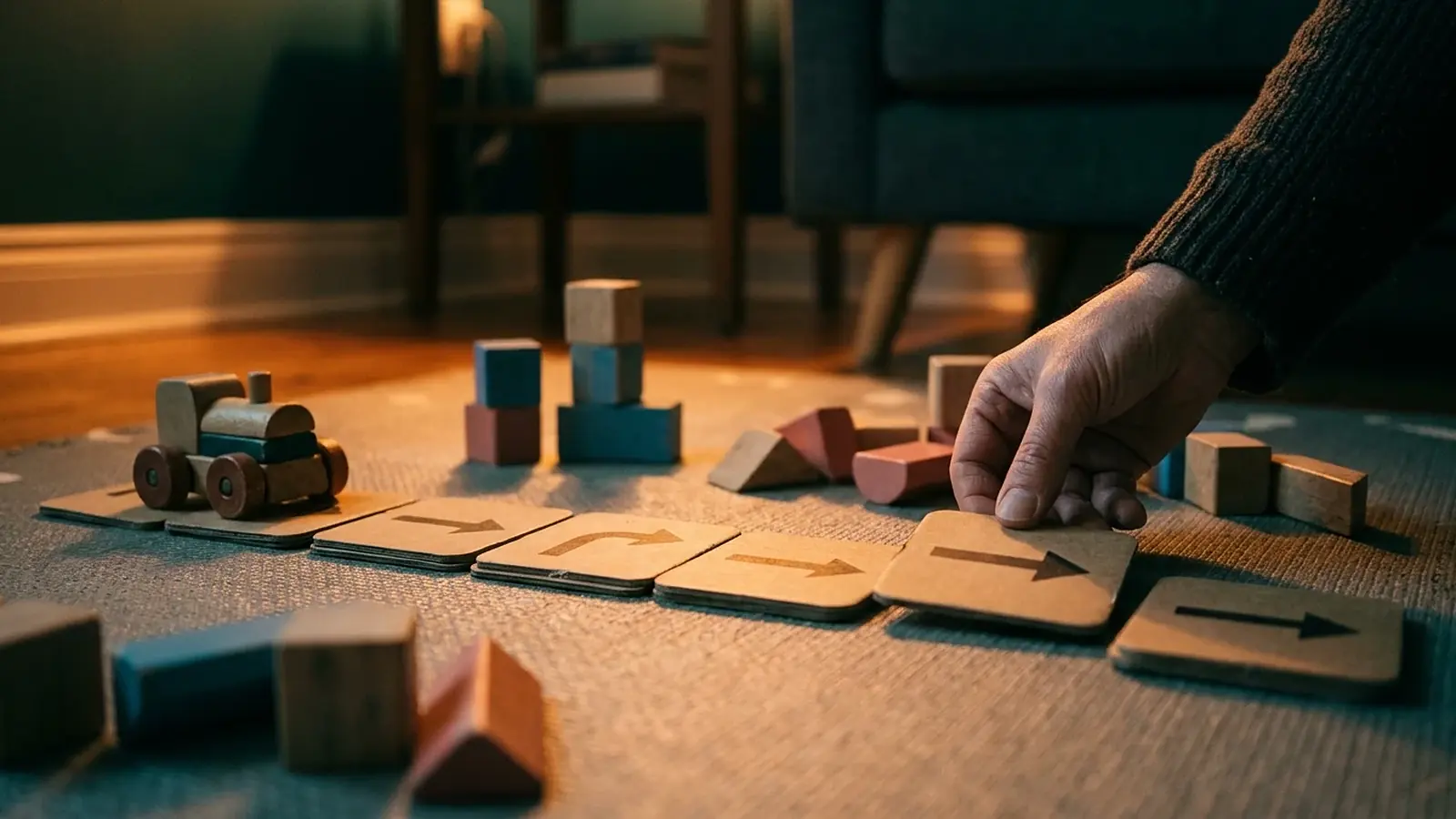
No. At 5 or 6, a child already learns the logic of programming without knowing it: following a sequence of instructions, sorting objects by a rule, guiding a blindfolded friend ("two steps, turn left").
If you want a screen, the free ScratchJr app, designed for ages 5 to 7, has children snap together picture blocks, with no reading required. A course adds little more at this age.
With Scratch, the child snaps together colored blocks instead of typing text. They assemble "move 10 steps" or "if touching the edge, bounce," and immediately see their character move.
It is real programming. With no typos to fix, the child focuses on the essentials: loops, conditions, and variables like a score or a lives counter. By the end, they have built a small game they can show to their family.
Around age 10, many children want their program to act in the real world. Robotics with Arduino, a small programmable electronic board, answers this wish: an LED that blinks, a sensor that detects an obstacle, a robot that avoids it.
They then write their first lines of code, because the robot needs it to work. This is also the age when they can discover through play what an artificial intelligence is: a very simple chatbot, a color sensor.
When the teenager is comfortable at the keyboard. They can then move to a written language like Python, or create 3D games. They understand error messages and know how to look for a solution.
If they did Scratch before, the transition is quick: they already know loops and conditions, and only need to learn to write them. After age 14, a motivated teenager, even a complete beginner, can follow a beginner track like Python Fundamentals, online and live.
Five signs to watch for at home. Three out of five are enough to start: the others often come with practice.
Four questions to ask any workshop, ours included.
TeamElGhazi Junior welcomes ages 8 to 14, online or with an instructor in person, in your city in Morocco or abroad with our collaborators. Here are the workshops, with the recommended age and format. Pricing depends on the workshop and the format: ask for it.
Trois signes sur cinq suffisent pour commencer ; l'âge n'est qu'un repère.
The hardest part wasn't getting the AI to answer. It was stopping it from saying everything.
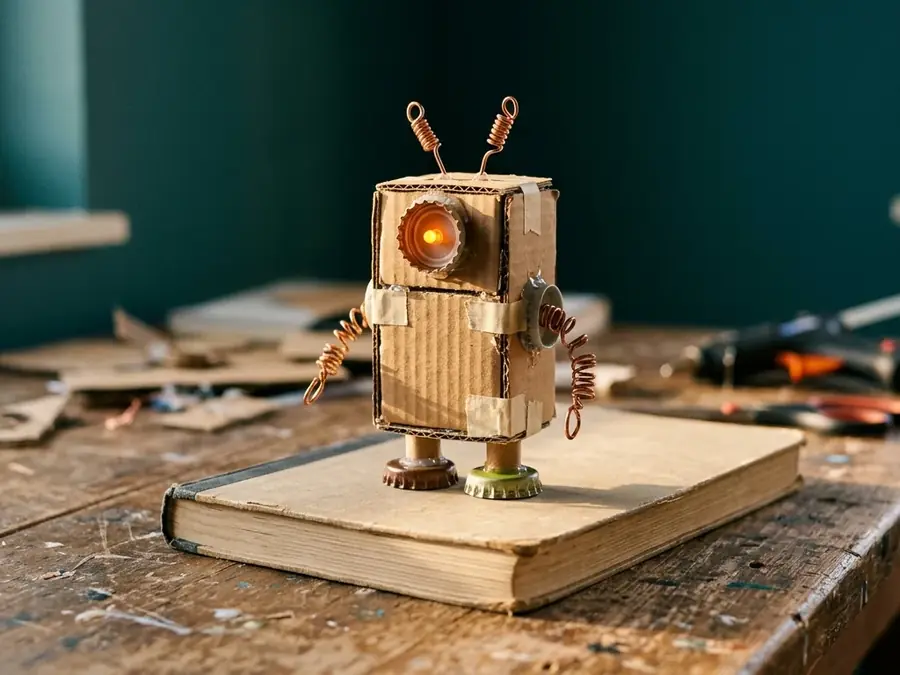
Seven programs where your child creates a game, a robot or a video, and presents it.
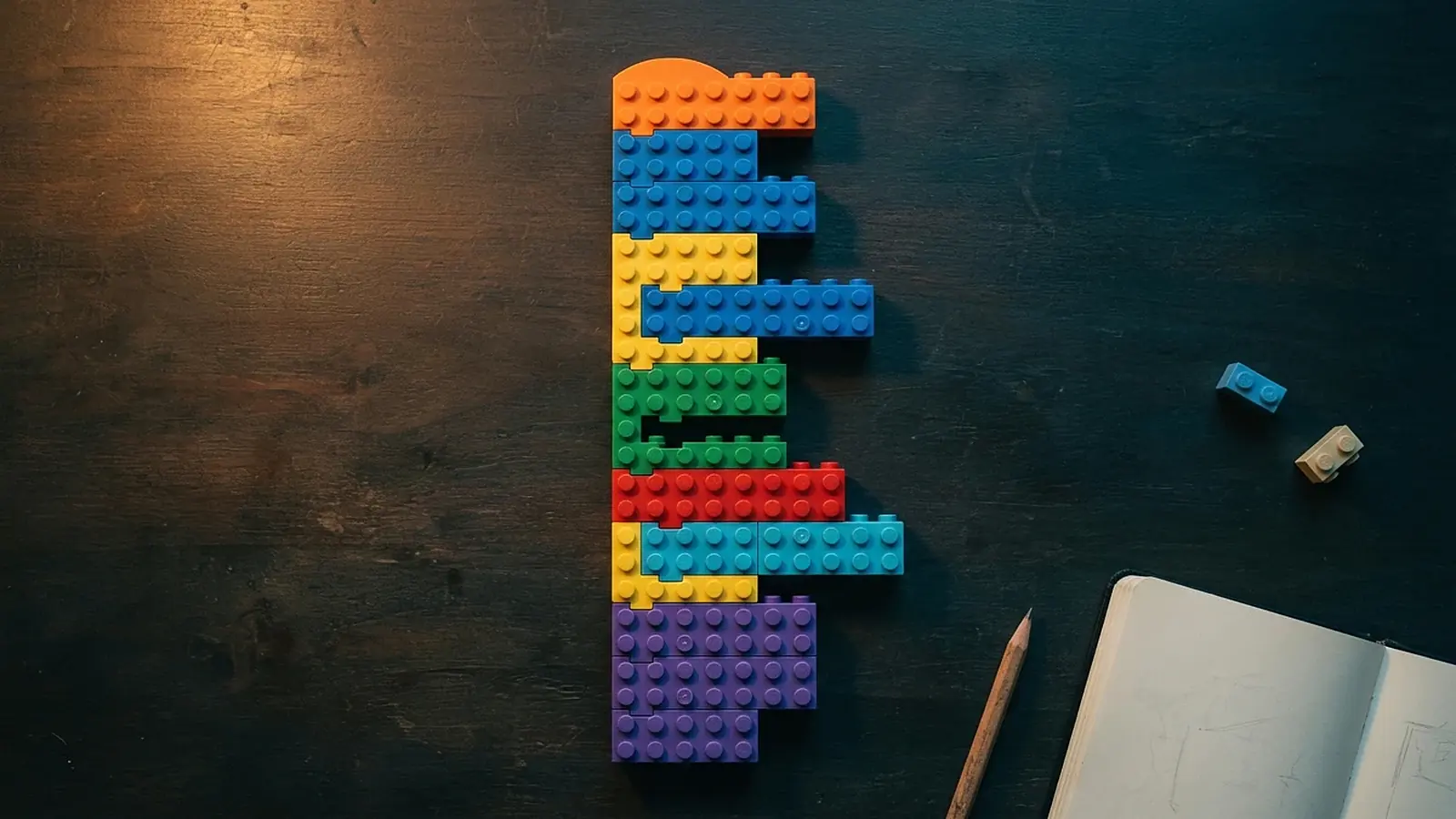
Their first game, made by them, in one month.
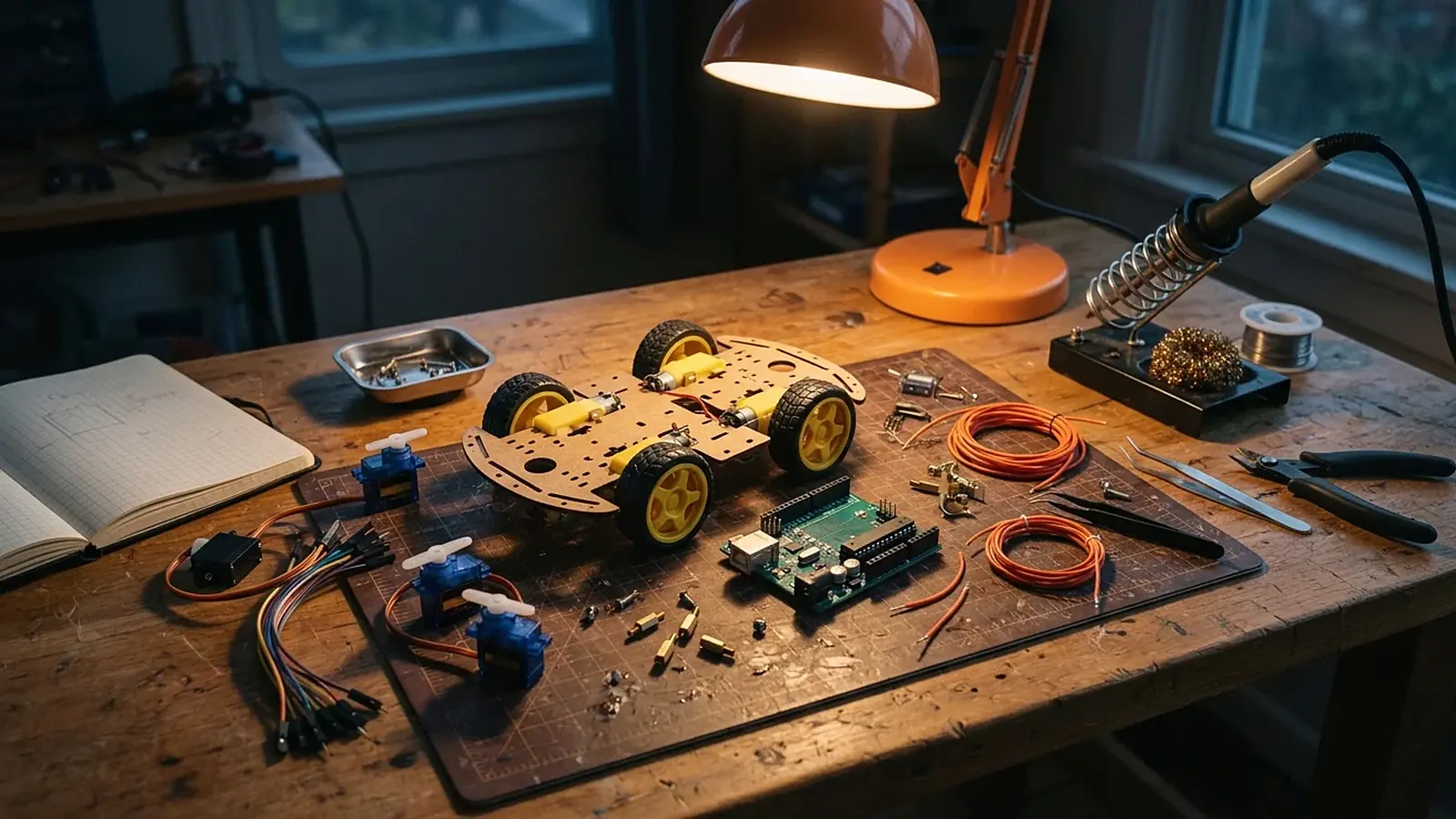
One wire, one LED, one line of code. And the robot moves.
6 answers
Around age 8, when the child reads without difficulty, with a block-based language like Scratch. The move to written code (Python, Arduino robot code) usually happens between ages 10 and 12, depending on their patience and comfort at the keyboard.
For a real course, generally yes. At that age, screen-free logic games or the ScratchJr app are more than enough. Our Junior workshops start at age 8.
No. A complete beginner aged 15 to 18 does not need to go through blocks. They can start directly with a written language like Python, with an instructor who corrects their exercises.
Both. Scratch for Kids is taken online, from any city. The Programming Club, the AI Geniuses School, Arduino Robotics and the Digital Creation Workshop are held with an instructor in person, in your city in Morocco or abroad with our collaborators, or online. The 3D and Video Games Academy is a two-week intensive.
The price depends on the workshop, its length and its format: ask for it through the form, and the answer comes in writing. For a class or an institution, it is set by quote.
Yes. The instructor comes to your institution and the program is written for your students, by quote. A company or a foundation can also fund workshops: see our sponsorship page.
No question matches. Write to us: we answer everything.
Individuals, institutions, companies: you choose your slot online. A first 30-minute conversation about a project, or your hours of lessons.
Choose a slot