Families (never named)
- For
- Families (never named)
- What we did
- Private lessons for middle schoolers, and a small online Sunday group "AI and web development" where middle and high school students move from the website to Python
- When
- Since July 2026


In briefThis course takes middle and high school students from block-based programming to a real language: Python. They write their first programs, a small game and a quiz, and present a project at the end. It can be taken in private lessons or in a small group, live online with an instructor, or in person, at a school or at home. No prior level is required; a parent enrolls the child.
 4,8out of 5 · 11 Google reviews

The program sheet
The final project
A small game or a tool created by the student, presented at the end
Python 3Python's turtleEn Python, on crée une variable avec le signe =. Ici, = ne veut pas dire « égal » : il veut dire « range dans la boîte ».
score = 0score = score + 10 # on ajoute 10 pointsscore = score + 5 # encore 5 pointsprint(score) # affiche 15
| Autorisé | À éviter |
|---|---|
| age, score_final, nombre2 | 2nombre : jamais un chiffre au début |
| nombre_de_buts | mon score : pas d'espace, on écrit _ |
Un ordinateur n'est ni intelligent ni bête : il est obéissant. Si le résultat est faux, on cherche l'instruction, on la corrige, on recommence.
Support de cours TeamElGhazi · 2 heures, avec une pause
Most often in middle school, when the child reads and types comfortably. Before that, block-based programming (Scratch, ages 8 to 11) teaches the same logic without typing mistakes. A high schooler who is a complete beginner is welcome; a motivated high schooler can then join Python Fundamentals, the online course for beginners.
An example: a 13-year-old middle schooler has finished Scratch and is bored. In private lessons, he writes in Python the mental math game he had built with blocks, then adds a timer and a high-score table.
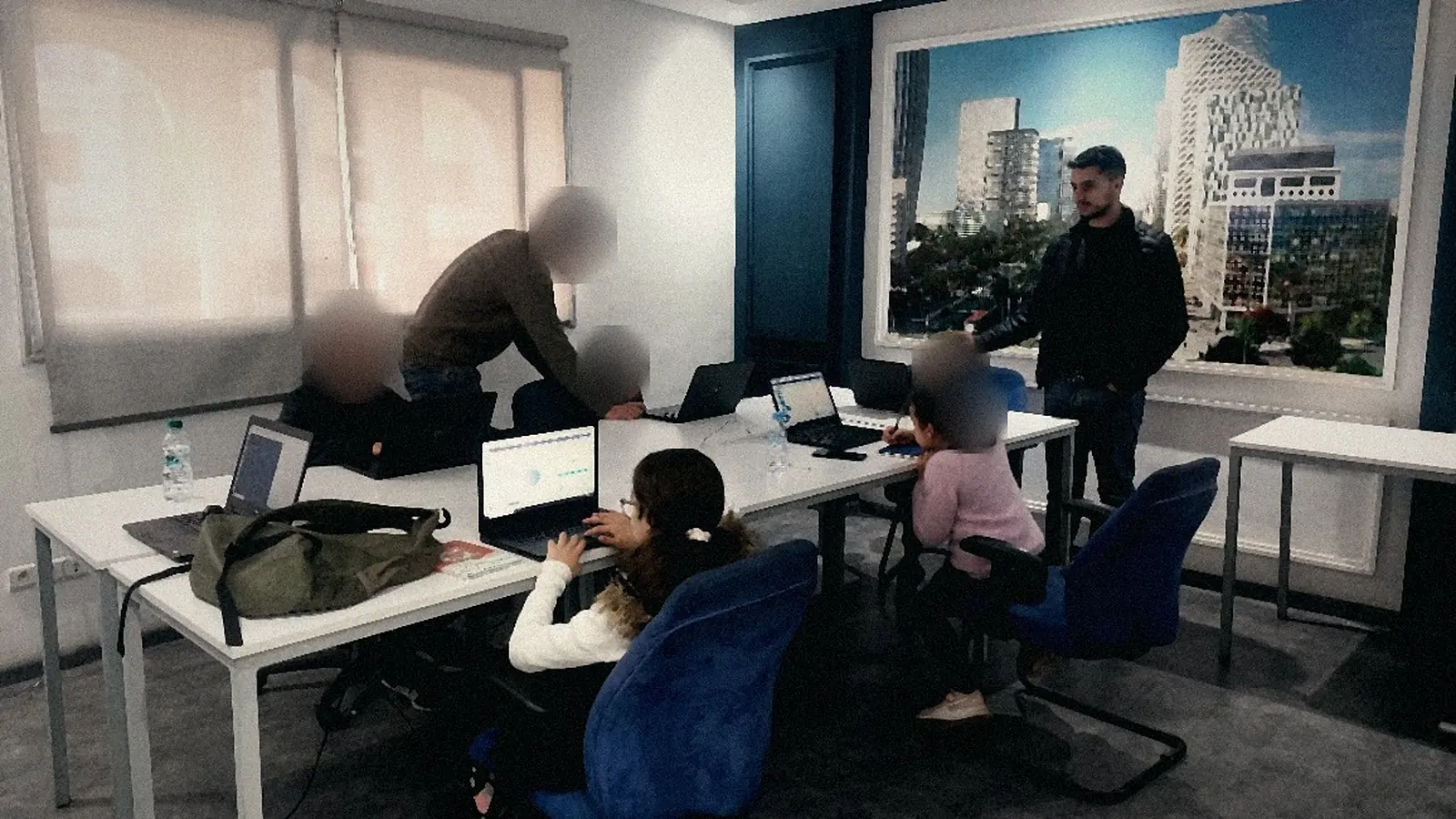
Yes. We give private lessons to middle schoolers, and since July 2026 we have run a small Sunday group, online, where middle and high school students build a website and then move on to Python. The page shown above comes from one of our materials for ages 10 to 12. We never name our young students and never show their faces.
Between sessions, for homework, TEMO, our AI tutor, follows the same rule as the instructor: it gives a hint, not the solution.
Click "Enroll" and tell us their age, their level and what they like. We suggest the format: private lessons, with times chosen on planning.teamelghazi.com, or a small group. Online sessions are live: the child shares their screen and the instructor guides them without doing the work for them. In person, the session takes place with an instructor present, at a school or at home; the location is set with you at enrollment.
The hardest part wasn't getting the AI to answer. It was stopping it from saying everything.
Does your child play games? Let them build one.
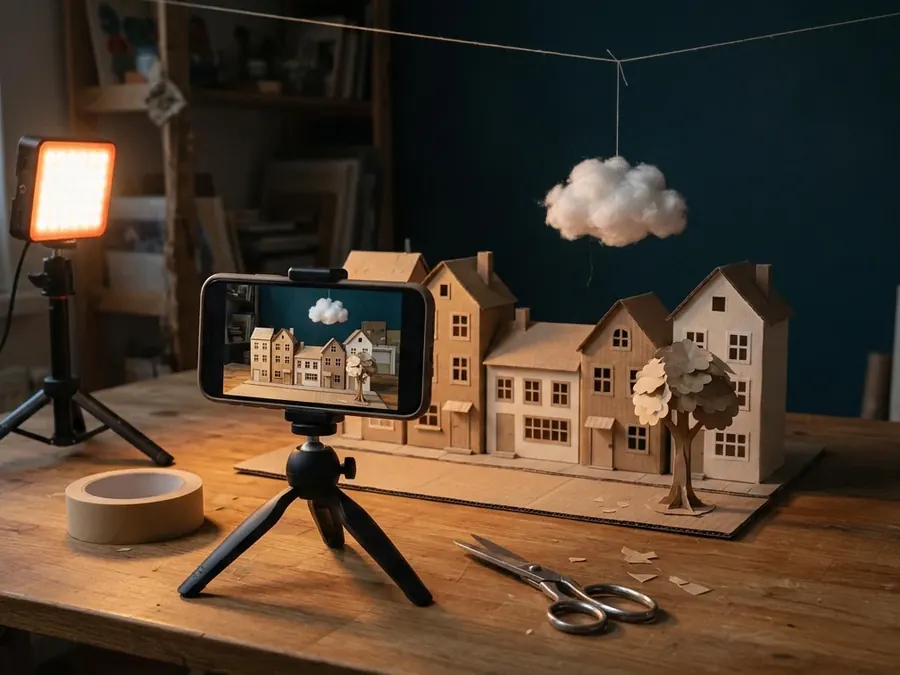
From the phone that films everything to the video they are proud to show.
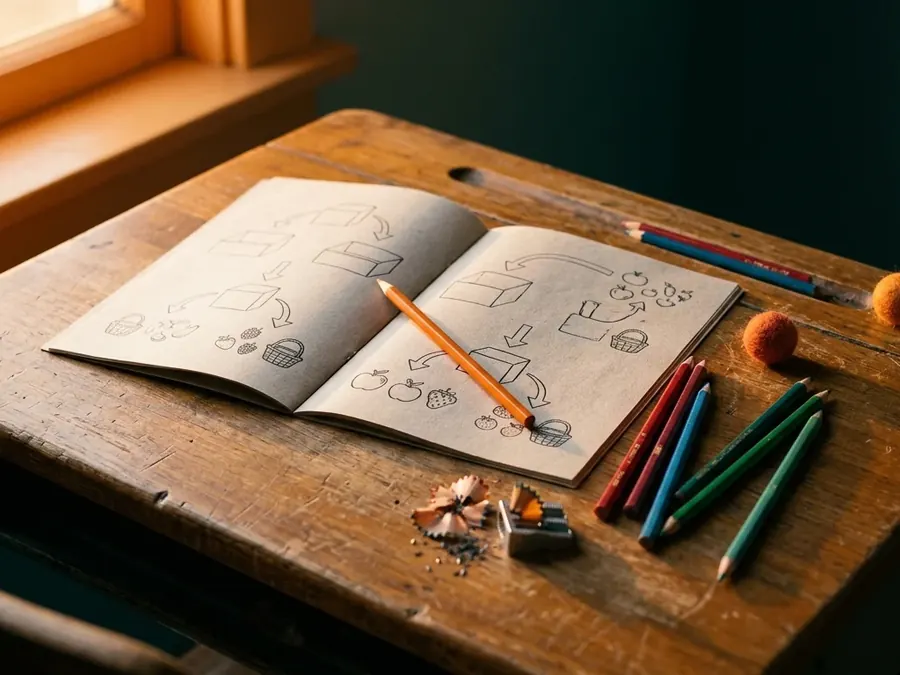
A machine that learns from examples: at 10 years old, you can play the machine before you ever use it.
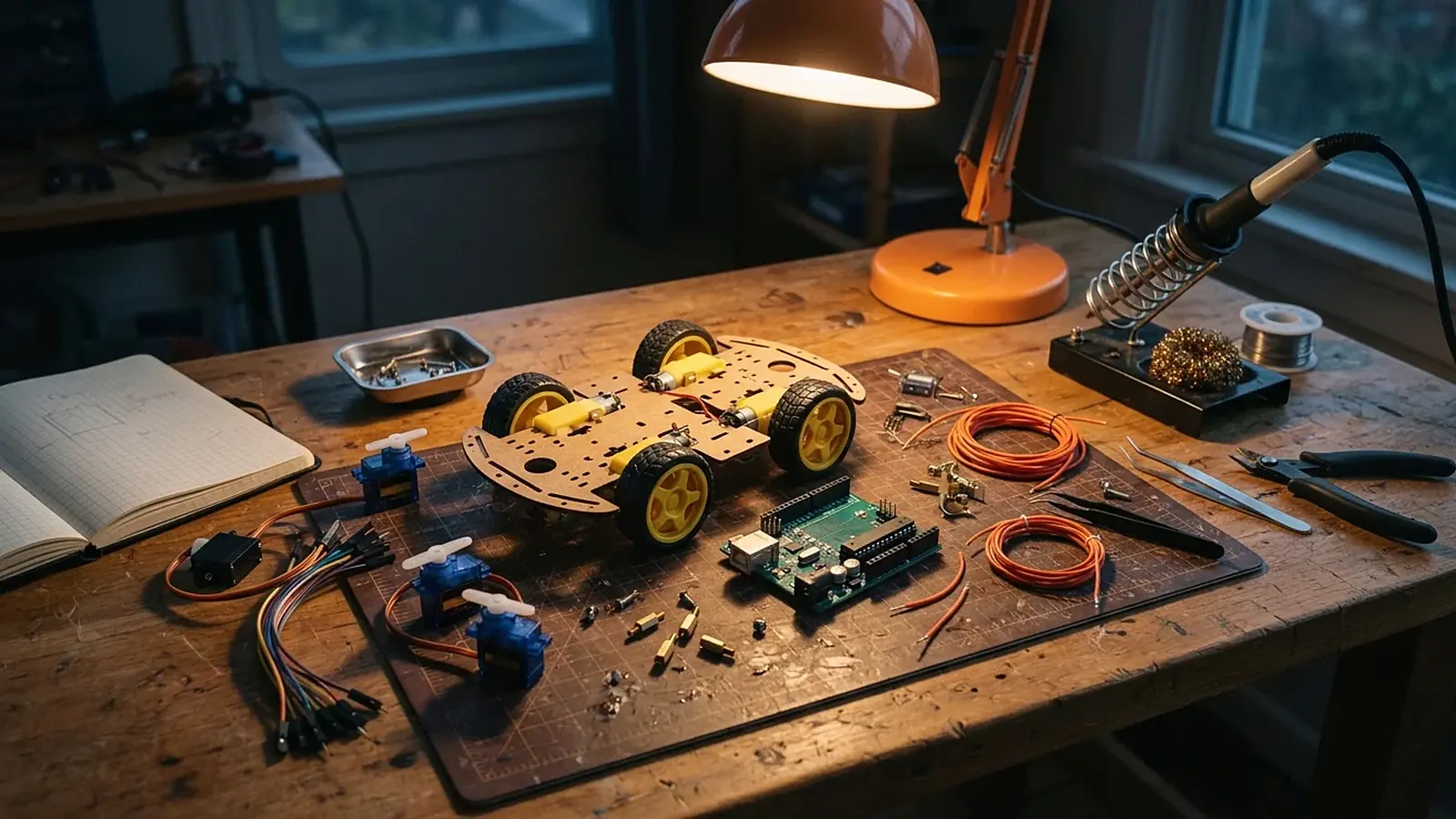
One wire, one LED, one line of code. And the robot moves.
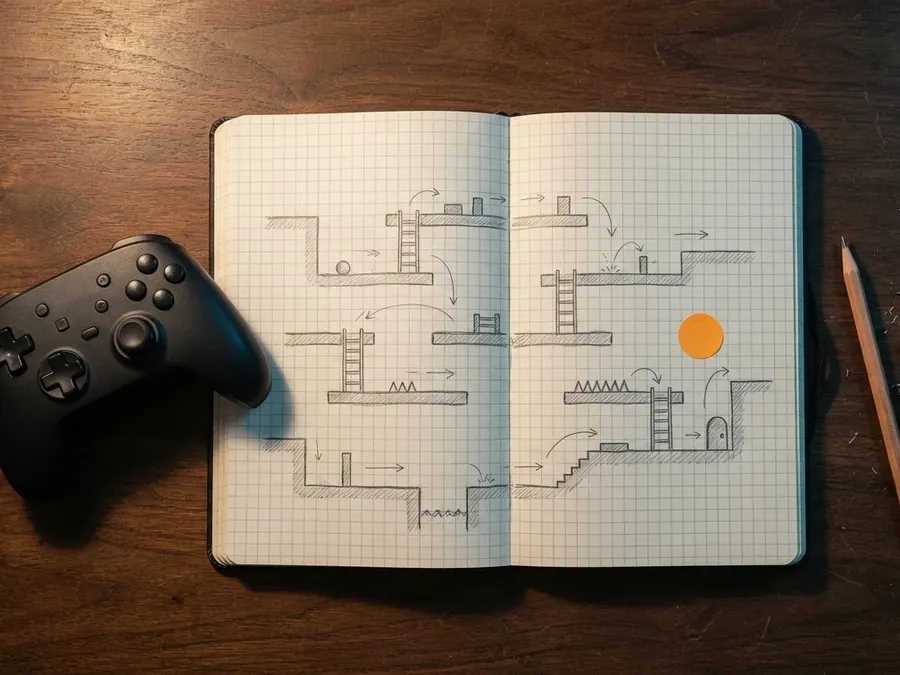
Does your teen spend hours playing? Two weeks to cross to the other side.
Their first game, made by them, in one month.
4 answers
Yes in middle school and high school. For a younger child, we recommend starting with Scratch.
One-on-one, the instructor follows your child's pace and schedule. In a small group, they also learn to explain and show their work.
We do not promise better grades. They learn to break a problem down, to test and to fix their mistakes, which helps in every subject.
Yes, especially at the start. The last session is often a presentation of the project to the family.
No question matches. Write to us: we answer everything.
Individuals, institutions, companies: you choose your slot online. A first 30-minute conversation about a project, or your hours of lessons.
Choose a slotThe course is already selected in the form. A question before you enroll? Let's take 30 minutes.